- TLDR
- NEO pre-orders launched at $20k ($499/month option) with 2026 delivery
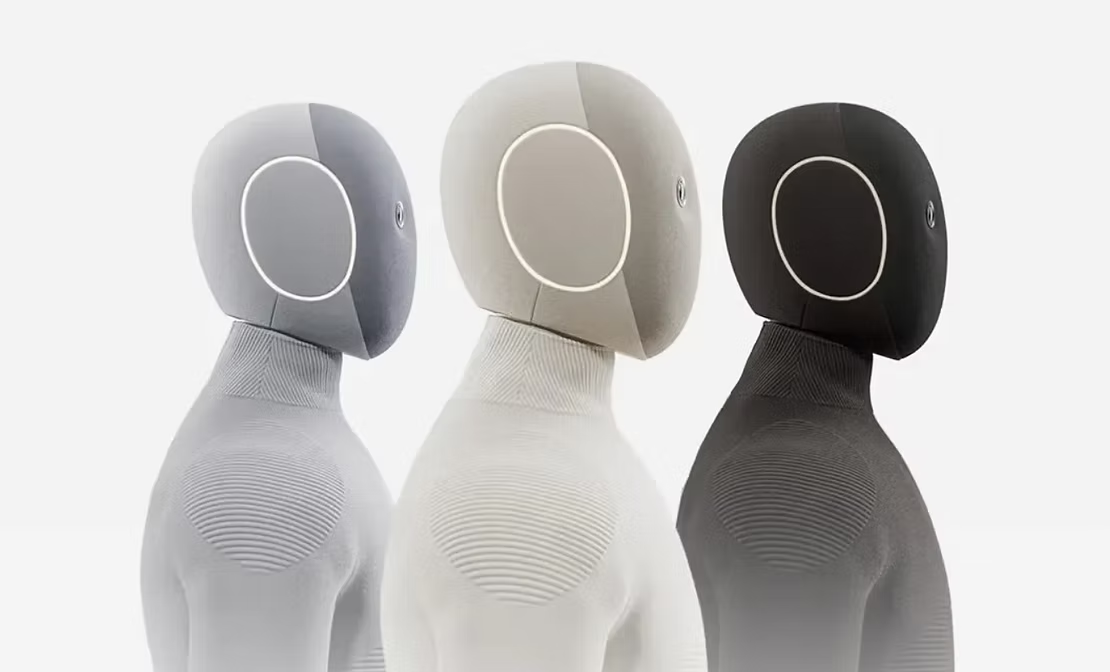
- 66 lb robot that can lift 154 lbs with human-level hand dexterity
- The catch: most tasks still need remote human operators controlling it
- Limited autonomy today, but early adopters are funding the training data for tomorrow

I’ve been waiting for this moment for years. Consumer-ready humanoids in homes? That’s the future I want to build in. But then I looked at NEO and felt that gut punch of disappointment—the one you get when the future arrives but only halfway.
Yeah, it’s impressive. A 66-pound robot that lifts 154 pounds, folds laundry, talks to you naturally, learns your preferences. That should feel revolutionary. And it almost does. Except there’s no real timeline. It ships “sometime in 2026.” Most complex tasks? Nope, controlled by a human operator watching through cameras. The autonomy I thought we’d have? Not yet.
But here’s what actually fascinates me: that’s exactly how modern automation works right now. Humans designing workflows, AI executing them, data improving the system. NEO is just making that visible in a way that makes everyone uncomfortable.
The Hype Machine vs. Reality
Last week, 1X Technologies announced NEO, and the internet lost its mind. The headlines promised everything: “The World’s First Consumer-Ready Humanoid Robot.” “Meet Your New Housekeeper.” Pre-orders opened at $20,000 (or $499/month). But here’s the gap: NEO requires remote human operators for most complex tasks. Someone watches through the robot’s cameras and controls it like a puppet. The “autonomous household assistant” is actually an avatar being controlled by a remote worker.
On paper, it’s impressive—66 pounds lifting 150 pounds, 22 degrees of freedom in each hand, AI that understands natural language. On screen, it’s a much different story.
That was the gut punch.

Why This Actually Matters
Here’s where I stop being disappointed and start being genuinely interested: 1X isn’t hiding this. The CEO literally told the Wall Street Journal that early buyers are funding the training data that makes future autonomy possible.
And that’s where my automation background clicked into place. This is exactly how modern workflows work. When I build automations in Make.com or n8n, I’m designing workflows where humans make strategic decisions and AI handles repetitive execution. Those workflows only get better through data—more runs, more edge cases, more patterns recognized.
NEO is the same thing in physical form. Every time someone operates it, the cameras record what the task actually looks like in real homes with real variations. The AI learns from thousands of angles, fabrics, lighting conditions, and scenarios that no training lab could simulate. A remote human is training the neural network in real-time. It’s clunky, not fully autonomous, and absolutely the path forward.

The Timeline Problem
But here’s where my excitement hits a wall: nobody knows exactly when NEO ships. “2026” is vague. Q1? Q4? And what version of “autonomous” are you actually getting for $20,000? You’re buying into a beta, paying full price for a product that’s still being trained in your home while people watch through cameras.
That’s not crazy—early adopters have always funded development. Think about how early smartphone adopters paid premium prices for phones that barely worked. But know what you’re actually buying: not a finished autonomous robot, but a seat at the table while humanoid robotics gets figured out. You’re part of the process, not the destination. For people who just want laundry folded without thinking about it? This product doesn’t exist yet.
What This Means for the Future
Here’s what actually excites me about NEO: it’s proof that the bottleneck isn’t technology anymore. The engineering is solid, the AI is good enough, the hardware works. The real bottleneck—the thing that separates concept from reality—is data.
Every humanoid robot startup—Tesla’s Optimus, Figure AI, Boston Dynamics—is collecting data the same way. Real-world usage, human feedback, AI learning from patterns. NEO is just the first willing to put this reality front and center and be transparent about it.
For someone like me building in public and learning automation, this is the most interesting part. I’m watching the exact process unfold that will power the next generation of automation tools. The human-in-the-loop, feedback-loop-driven approach isn’t a limitation—it’s the actual path to autonomous systems that work.
So… Should You Care?
If you want a robot to do your chores tomorrow, no. NEO isn’t that product yet. Come back in 2028 and ask me again.
But if you’re curious about where automation, AI, and robotics are heading? If you want to understand how the next wave of intelligent systems actually get built? If you’re interested in funding your own place in that future? Then yeah, this is worth paying attention to.
The robot in your home is here. It’s just not finished yet. And honestly, watching it get built is more interesting than having the finished product would be.
The question is: are you ready to be part of that process